[POST]Industrial Urals: Berezovsky, at the sources of Russian gold
Berezovsky in Sverdlovsk Oblast is a satellite town of Yekaterinburg, lying 12 km north-east of it. As of 2014 it was home to 55,000 people.
Sergey Poteryaev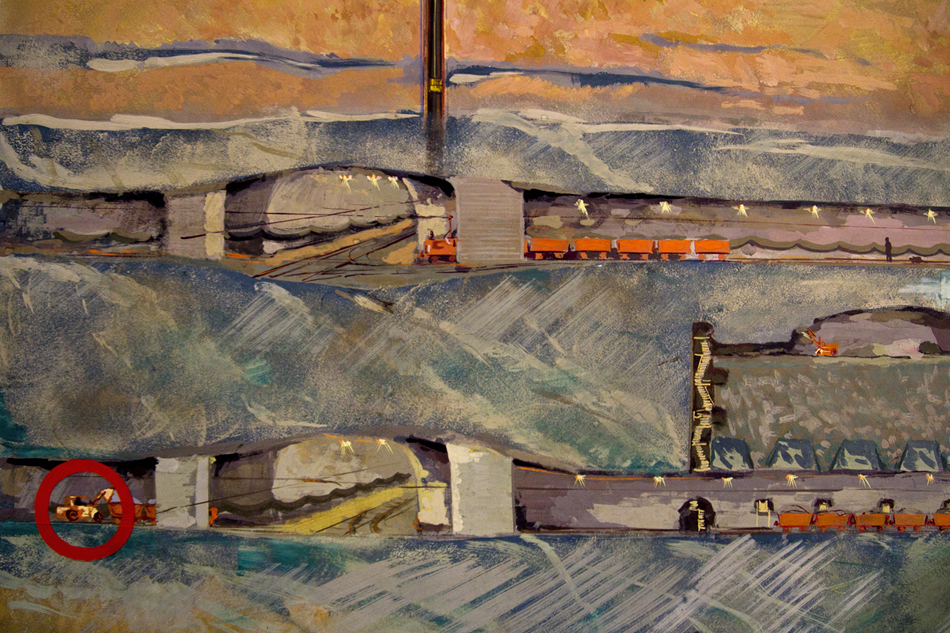
The gold deposit there was discovered on May 21, 1745, by Yerofei Markov, a peasant from the village of Shartash. The discovery marked the beginning of a new industry in Russia: gold mining
Sergey Poteryaev
Berezovsky emerged in 1748 as a gold-mining settlement. The town’s name was derived from the Berezovka, the rightbank tributary of the Pyshma river.
Sergey Poteryaev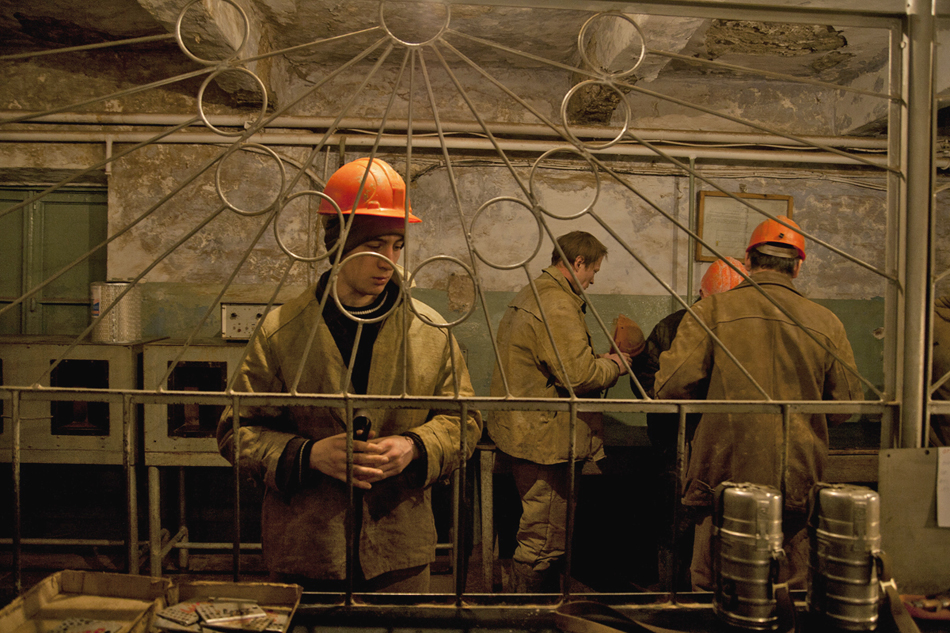
1748 saw the appearance of Shartashsky mine (later renamed Pyshminsky, and then Pervonachalny). In 1752 the Berezovsky mine was opened, and in 1757 a gold-washing plant came on stream.
Sergey Poteryaev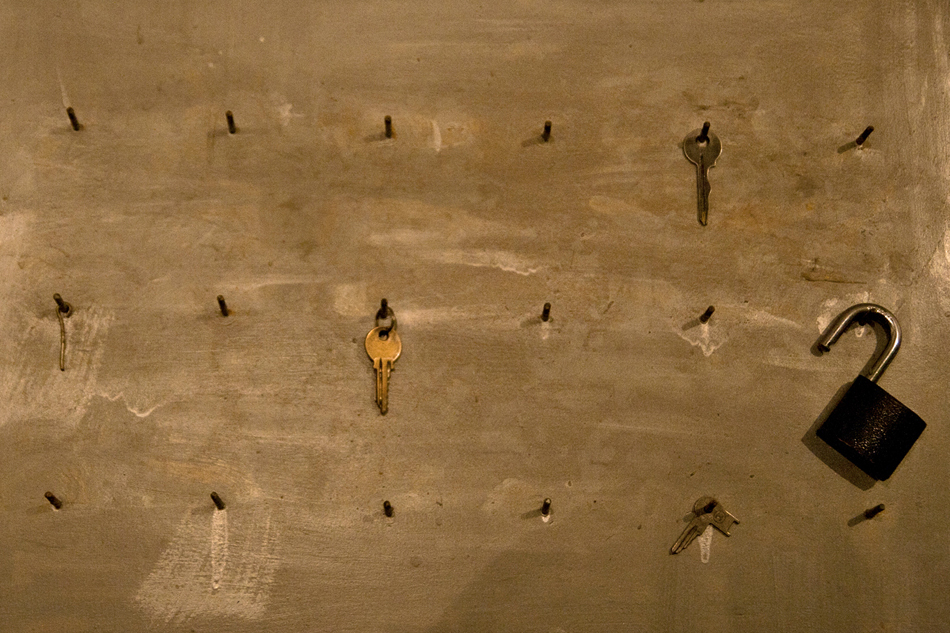
The name “Berezovsky Pochweck Plant,” coined in 1757 by Agapy Palkin, made use of the German term Pochwerk, meaning “stamp mill.”
Sergey Poteryaev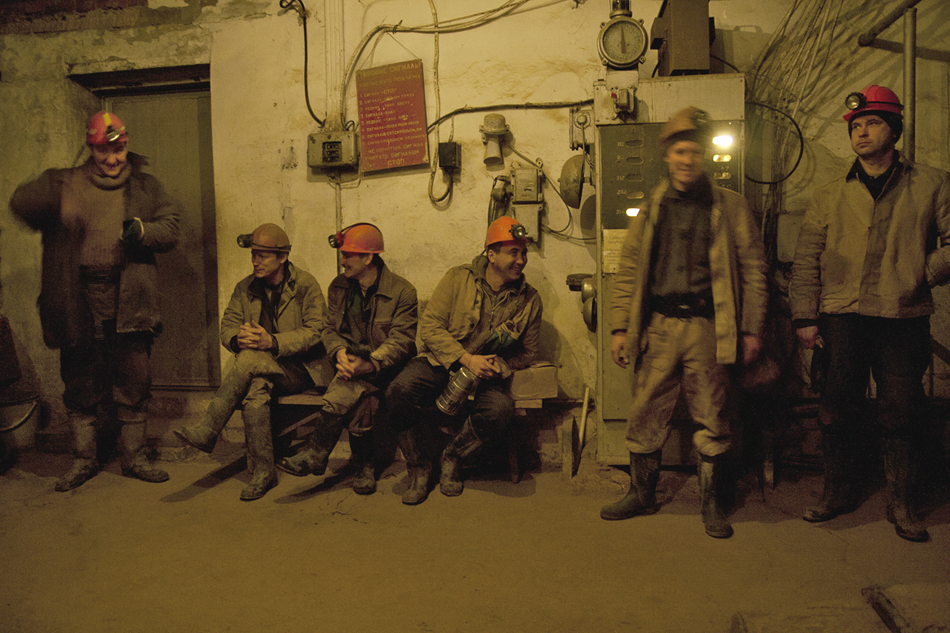
The name “Berezovsky Pochwerk” had every chance of becoming associated with a settlement like other names of Saxon origin... but the Orthodox consciousness rejected the Protestant appellation, and so the name that struck root was simply “Berezovsky Plant.”
Sergey Poteryaev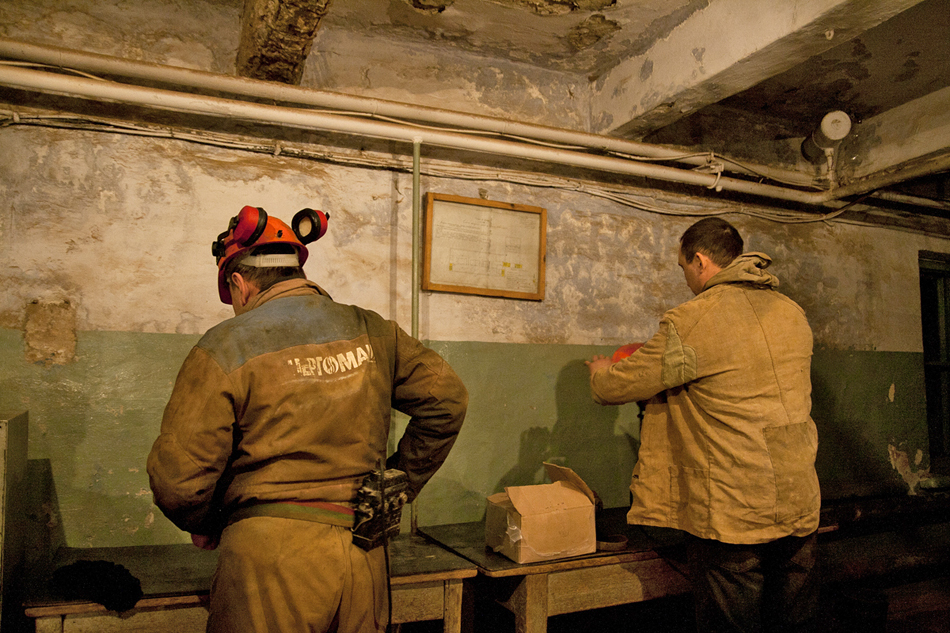
In 1812 Alexander I issued a decree on the free mining of ores: individuals were permitted to explore for gold in the Urals. In charge of gold-mining operations was the aptly named Ekaterinburg Gold Production Expedition.
Sergey Poteryaev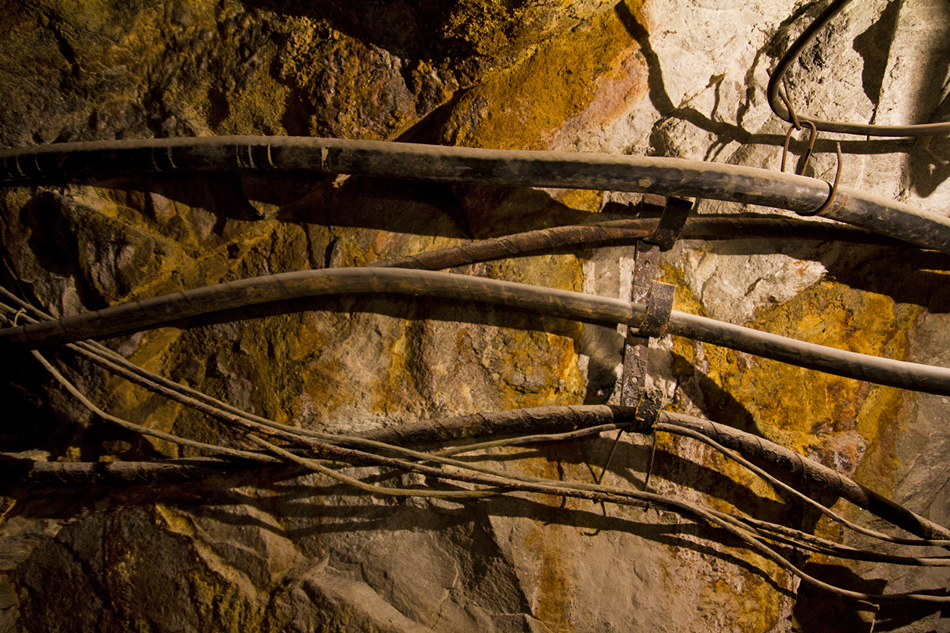
Gold in Berezovsky was originally mined at a depth ranging from 6.5 to 50 meters. The municipal archives registered over 1,000 such small mines.
Sergey Poteryaev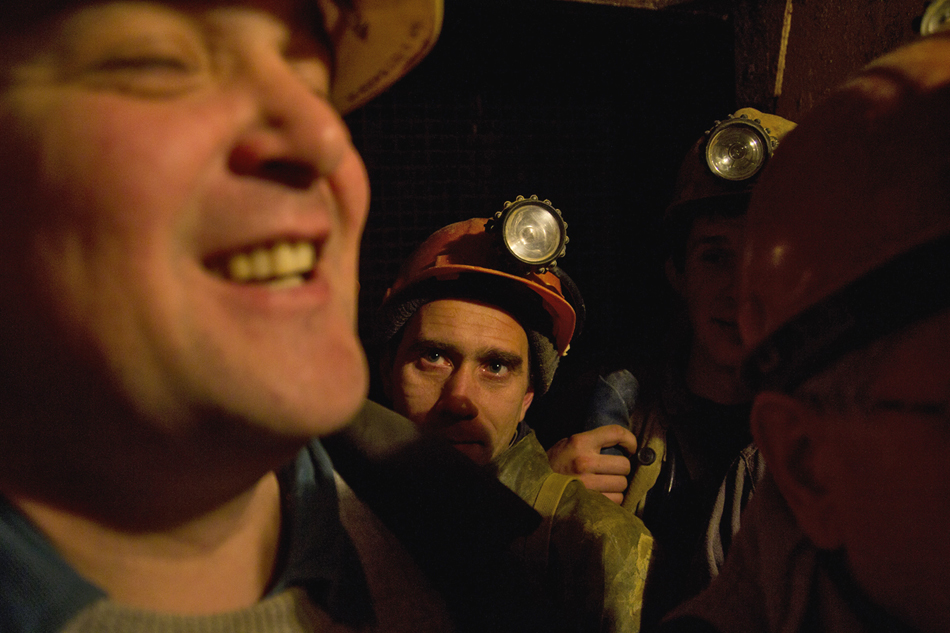
Miners descend to the working face, a surface of broken rock that shifts during mining operations. Work is performed at a depth of about 200 meters.
Sergey Poteryaev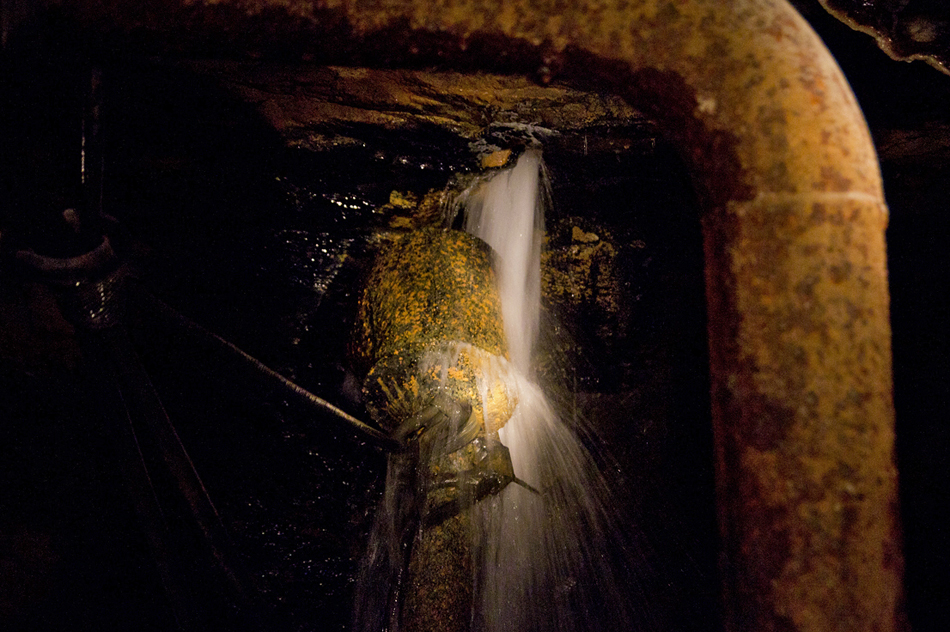
Large quantities of groundwater are pumped in via a special system.
Sergey Poteryaev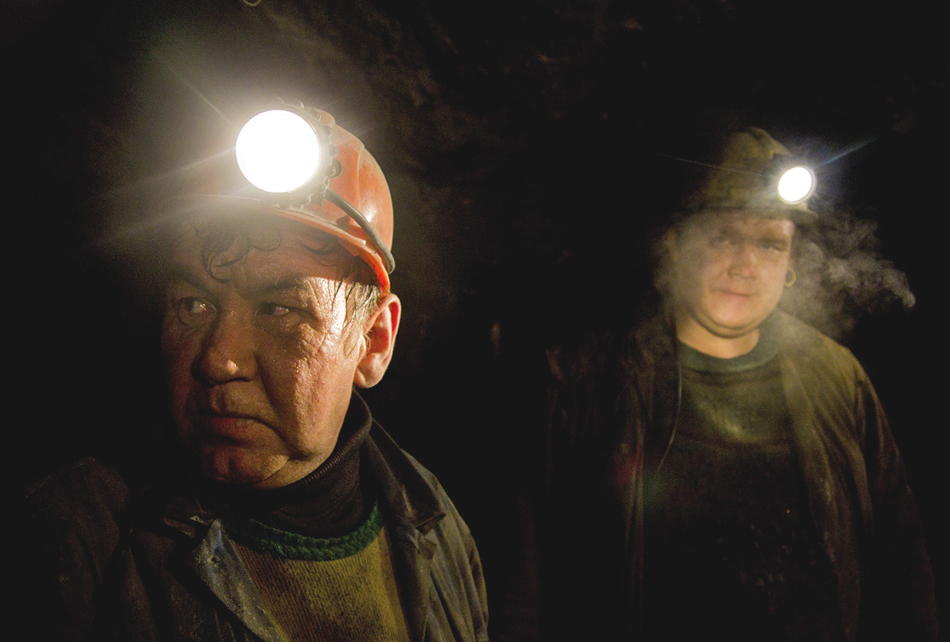
On the eve of World War One, the mines and pits were reconstructed in line with the latest technology of the day. After the Russian Civil War, all the mines were flooded and the gold extraction plants destroyed.
Sergey Poteryaev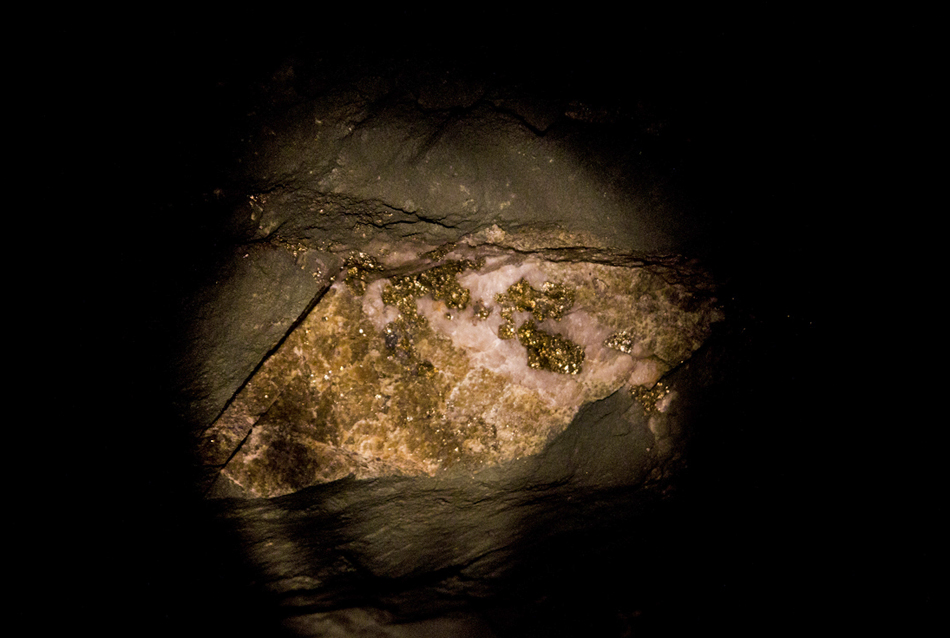
Besides gold itself, gold deposits often contain pyrite, a mineral with a metallic luster. No qualified person can confuse it with gold.
Sergey Poteryaev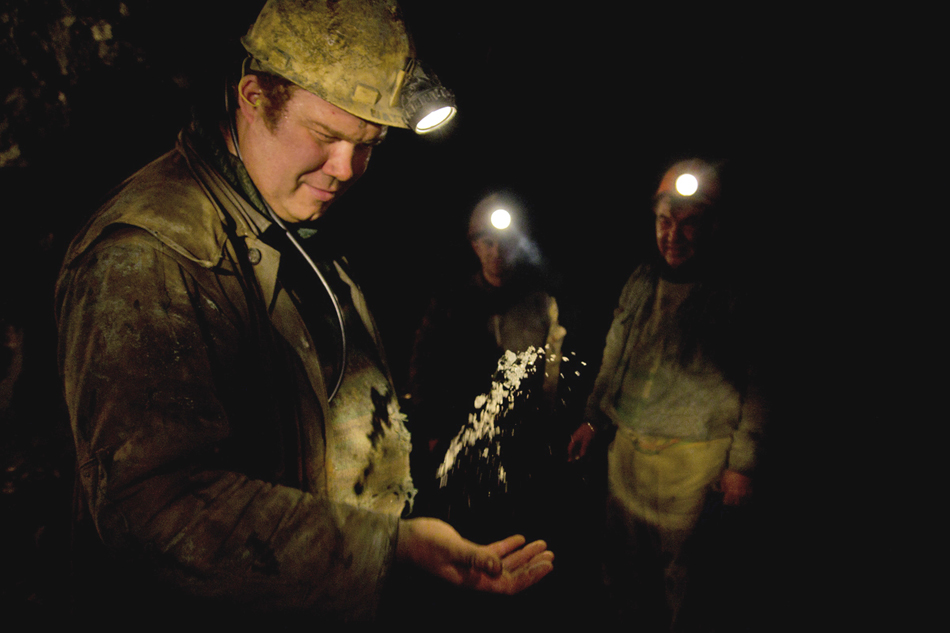
Mine workers possess exceptional physical strength; otherwise it would very difficult to complete a whole shift. What’s more, the pressure drops and chemical and acoustic noise are harmful to the organism.
Sergey Poteryaev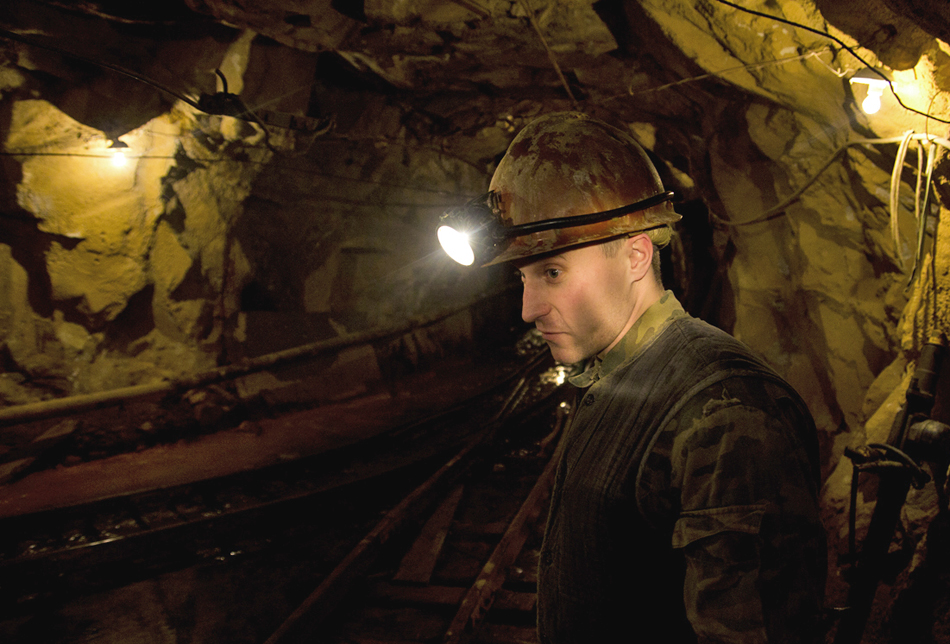
In 1949 the mine was awarded the highest honor of the Soviet Union — the Order of Lenin for selfless labor and gold production during the Great Patriotic War.
Sergey Poteryaev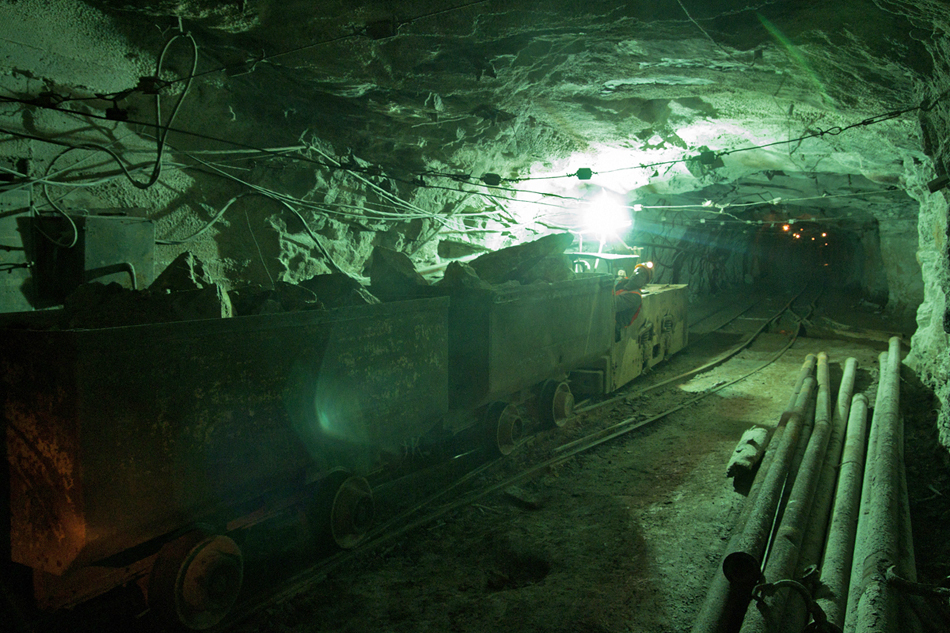
Rolling stock makes its way through the mine tunnels to facilitate the delivery of ore to the processing units.
Sergey Poteryaev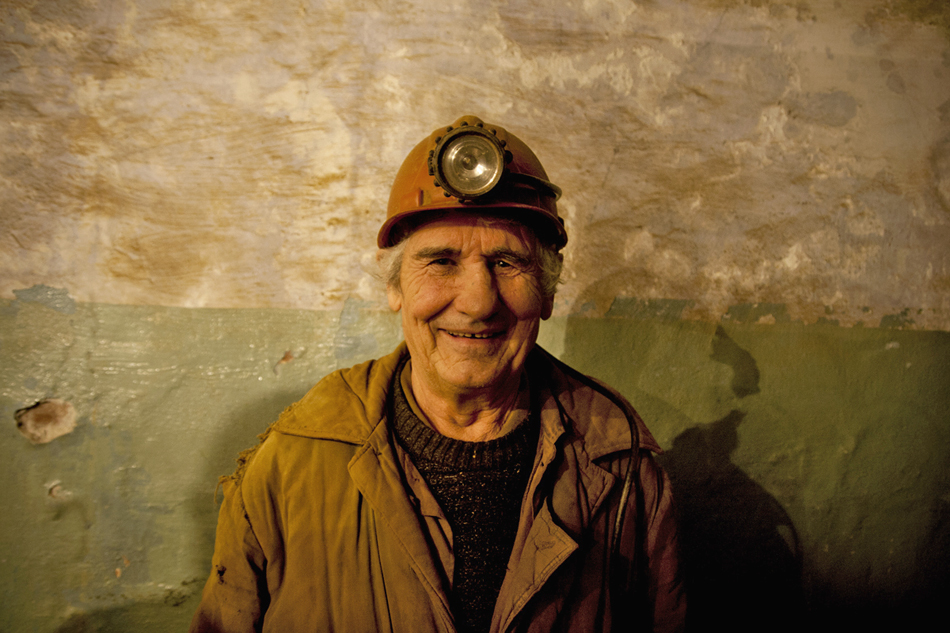
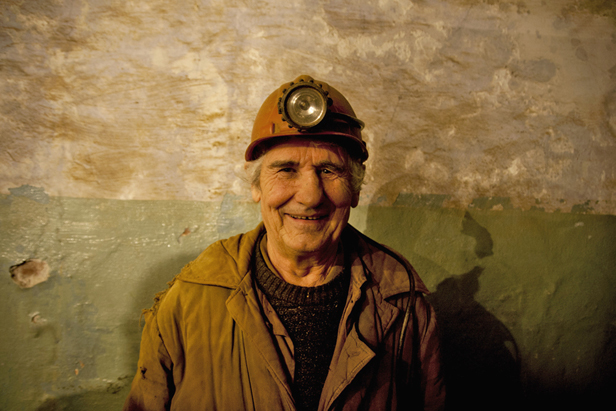
One of the mine’s most senior workers. Toiling alongside him is his son. Gold-mining dynasties are not uncommon.
Sergey Poteryaev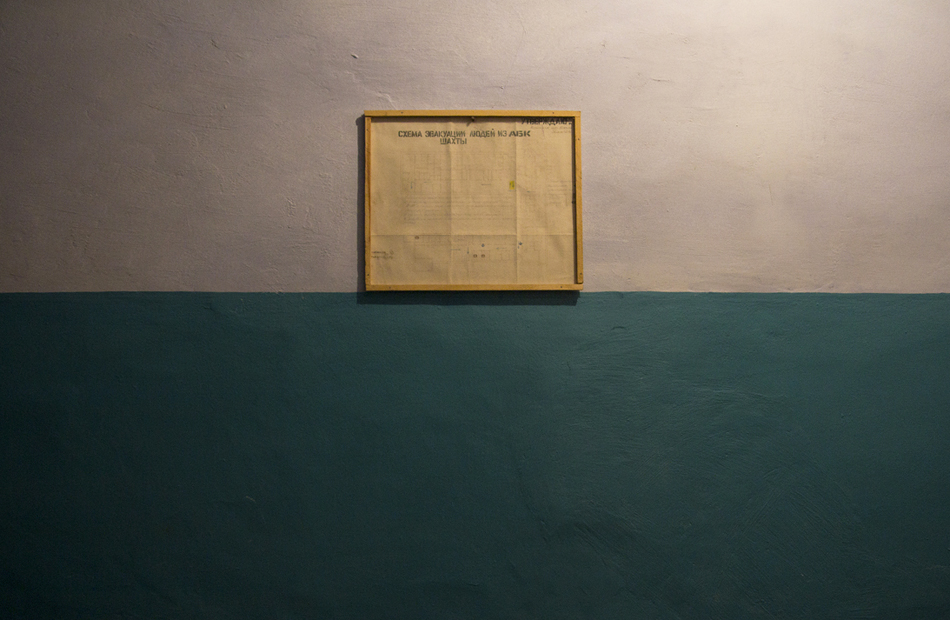
The mine’s evacuation plan.
Sergey Poteryaev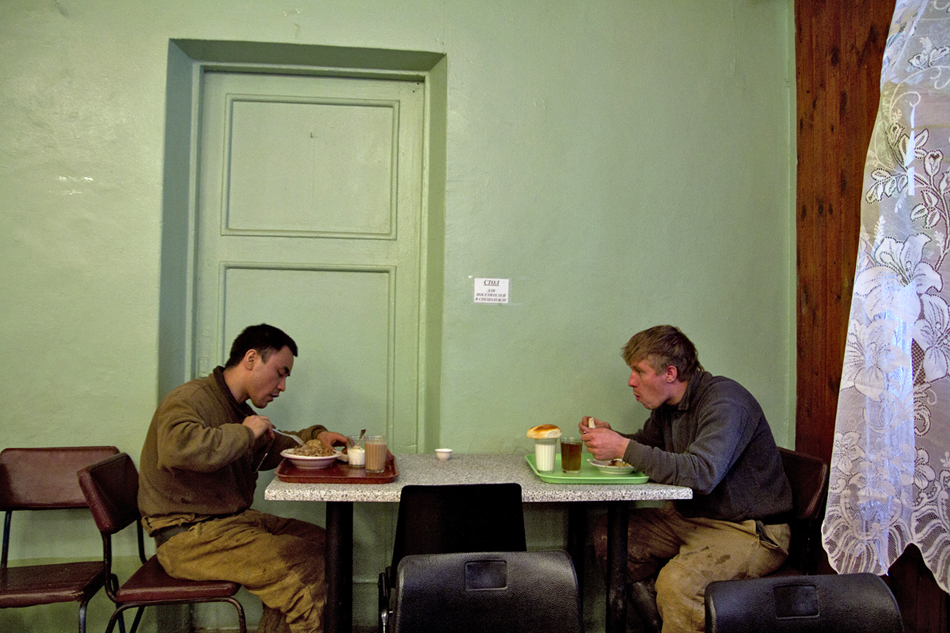
The workers’ canteen at the Berezovsky deposit. A three-course lunch can cost 100-150 rubles ($2.5-4).
Sergey Poteryaev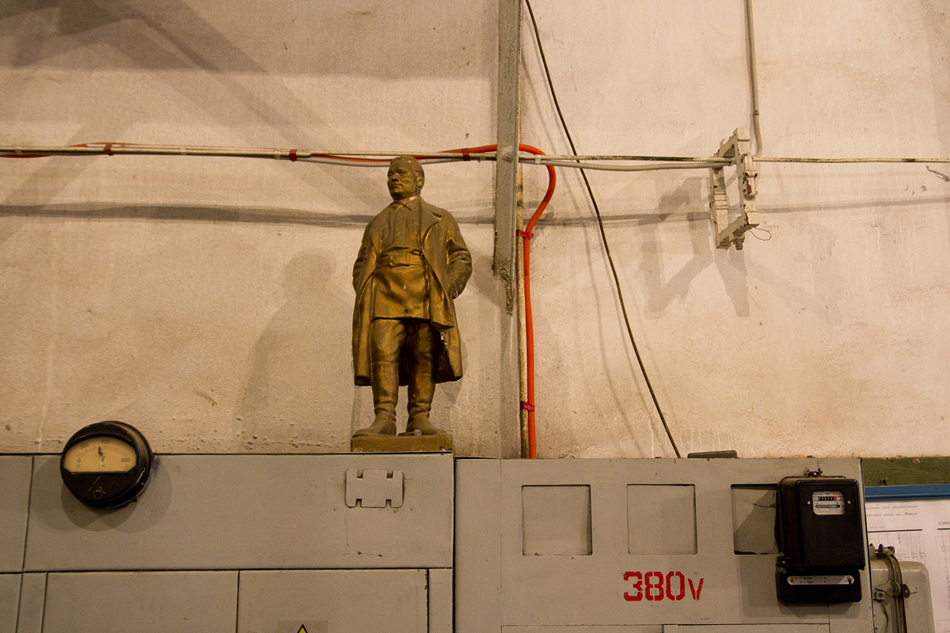
A statue of Sergei Kirov, a Soviet political figure. The Berezovsky deposit is currently being developed by the S.M. Kirov Mine (a division of Ural Mining and Metallurgical Company).
Sergey PoteryaevSubscribe
to our newsletter!
Get the week's best stories straight to your inbox